Magnesia Foam
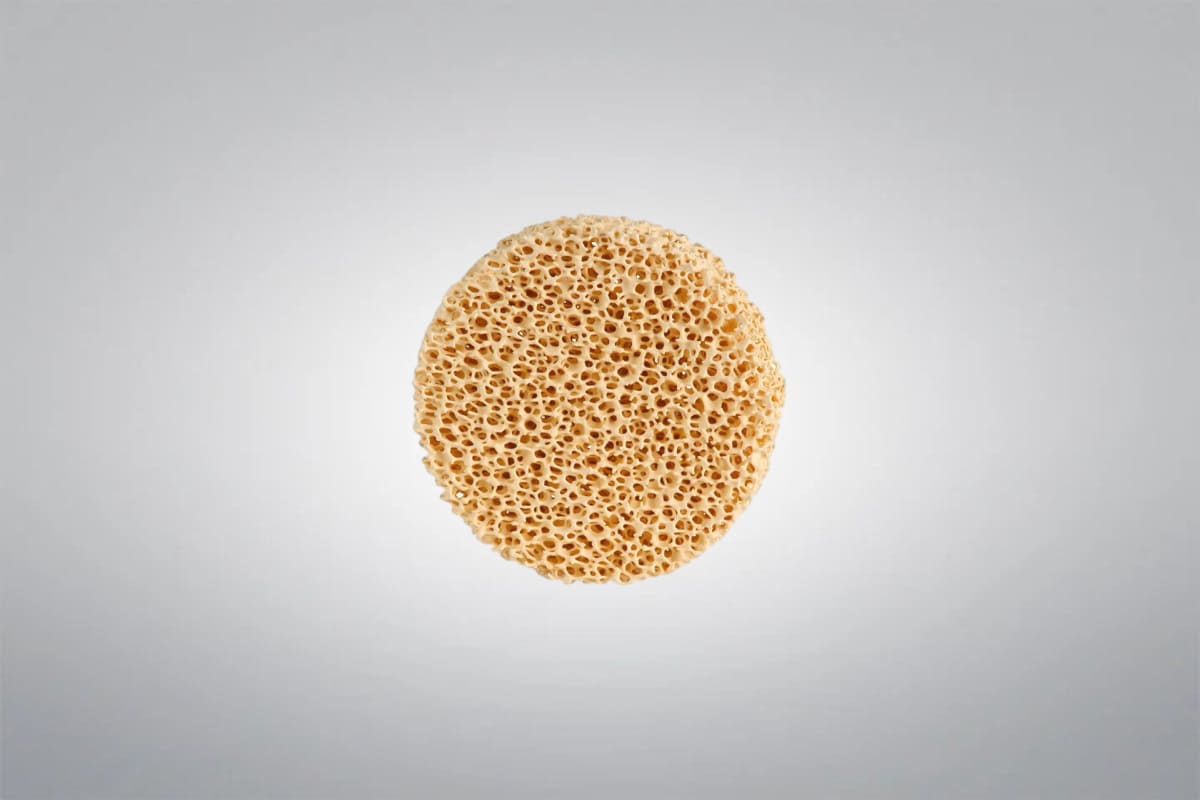
Magnesia Foam
- Custom sizes and standard sizes in stock
- Quick Lead Time
- Competitive Price
Magnesia Foam is a lightweight, porous ceramic material made from high-purity magnesium oxide. It offers excellent thermal insulation, corrosion resistance, and compatibility with molten magnesium alloys. Widely used in filtration, thermal shielding, and high-temperature applications, it helps improve casting quality while maintaining structural stability. As a leading supplier and manufacturer of premium graphite products, Shanghai Yuepeng can supply high-quality magnesia foam with various specifications and competitive prices, offering customized solutions to meet specific requirements.
Magnesia Foam Data Sheet
| Shape: | Round, Square |
| Pore Density (PPI): | 8–40 |
| Chemical formula: | MgO |
| Porosity (%): | 80–90 |
| Refractoriness (°C): | 1100 |
| Bending Strength (MPa): | 0.6 |
| Compression Strength (MPa): | 0.8 |
| Thermal Shock Resistance: | 6 times (1100°C to room temperature) |
| Applicable Alloys: | Nickel and high-activity alloys |
Magnesia Foam Description
Magnesia Foam is a porous ceramic material engineered from high-purity magnesium oxide, offering excellent thermal resistance, chemical stability, and filtration performance. Manufactured using a replica technique that involves coating a polymer template with a magnesia slurry, followed by burnout and high-temperature sintering, this foam features a uniform pore structure and high open porosity. It is especially suited for high-temperature filtration in magnesium alloy processing and other non-ferrous metal applications. The structure enables efficient removal of inclusions while maintaining minimal flow resistance, enhancing both metal cleanliness and final product reliability.
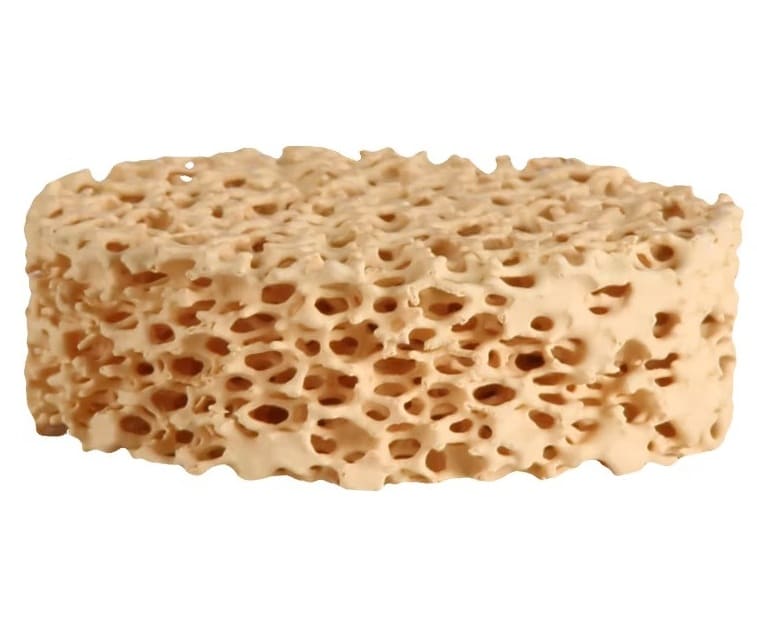
Magnesia Foam Advantages
- Excellent Thermal Stability: Maintains structural integrity at high temperatures, making it ideal for molten metal filtration.
- High Chemical Resistance: Inert to magnesium and its alloys, reducing contamination during casting.
- Efficient Filtration Performance: Effectively traps slag and inclusions, enhancing the quality of cast components.
- Lightweight and Porous Structure: Ensures low thermal mass and fast heat-up rates, improving energy efficiency.
- Environmentally Friendly Production: Uses water-based binders and energy-saving kilns to reduce emissions and costs.
Magnesia Foam Applications
- Molten Metal Filtration: Magnesia foam is widely used as a filter material in casting processes to remove impurities and inclusions from molten metals, improving the purity and quality of final products.
- High-Temperature Insulation: It serves as an effective thermal insulator in furnaces and kilns, maintaining temperature stability and reducing heat loss during high-temperature operations.
- Catalyst Supports: Magnesia foam is used as a support material for catalysts in chemical reactions, providing a large surface area and excellent thermal resistance.
- Gas and Fluid Purification: Due to its porous structure, magnesia foam is applied in filtration systems for gas purification, absorbing harmful substances, and improving environmental performance.
- Biomedical and Research Fields: It is used in experimental and biomedical applications where high porosity and biocompatibility are required, such as in bone tissue engineering and material studies.
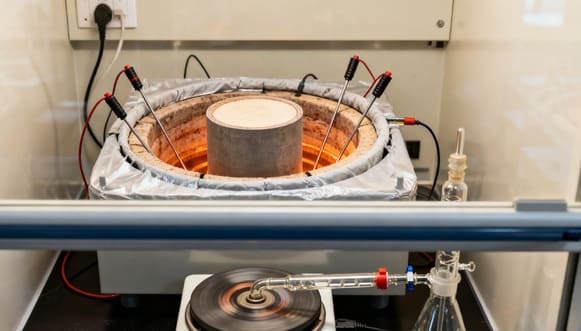
 High-Temperature Laboratories
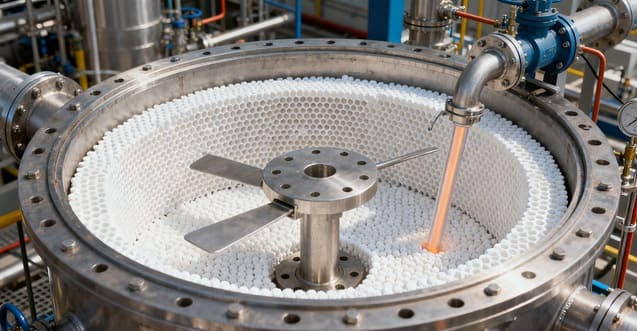
 Catalyst Support
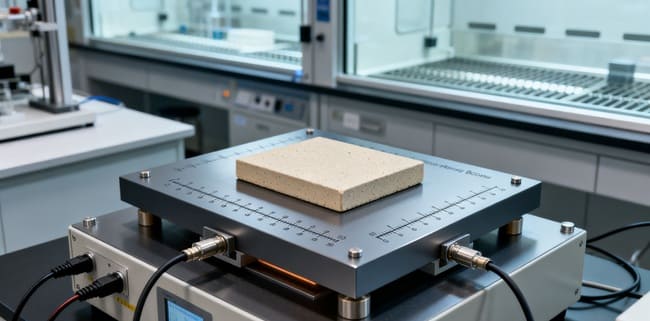
 Material research
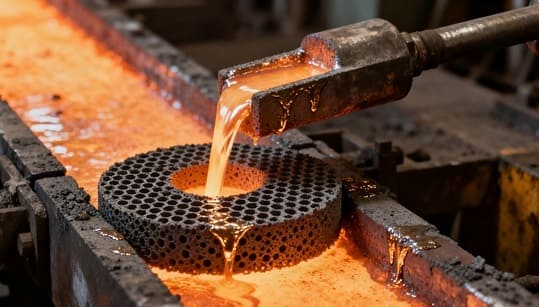
 Molten Metal Filtration
Magnesium Oxide Material Properties
Magnesium Oxide Ceramic Machining
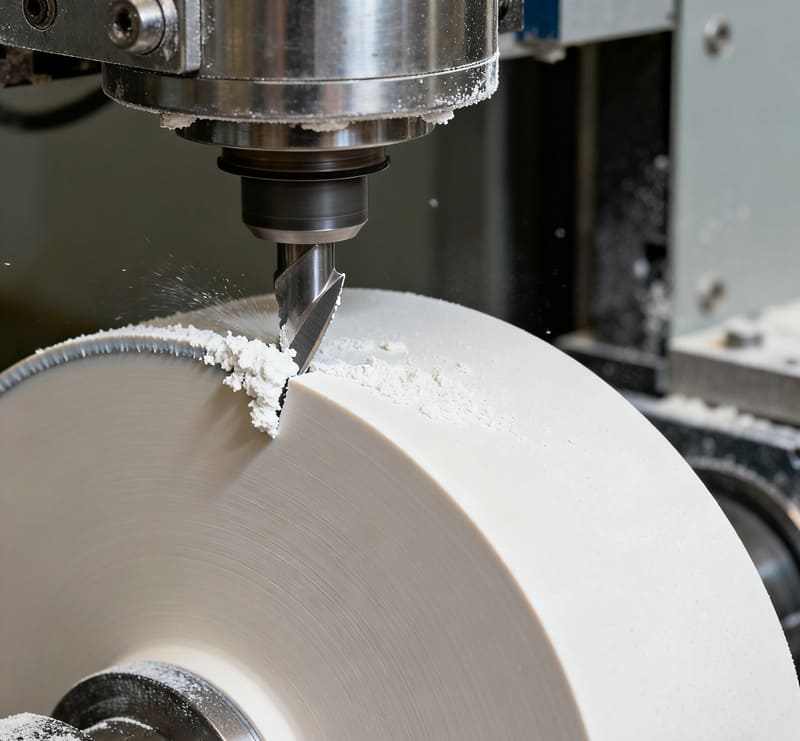
Magnesium oxide can be machined in green or bisque form before sintering, and to a limited extent in its fully sintered state. In its pre-sintered state, the material is relatively soft and easier to shape, but like many ceramics, it undergoes significant shrinkage—up to 20%—during sintering, which can affect final dimensions. Fully sintered magnesium oxide is very hard and brittle, requiring diamond tools and precision equipment for any post-sintering machining.
Machining Methods and Considerations
- Green or Bisque Machining: Easier to cut and form, suitable for complex shapes before firing.
- Sintering Shrinkage: Expect about 15–20% dimensional reduction during sintering, which impacts tolerance control.
- Post-Sintering Machining: Requires diamond grinding tools due to the material’s hardness and brittleness.
- Fragility: Fully sintered MgO is prone to chipping and fracture if not handled with care during machining.
- Tooling and Time: Machining dense MgO ceramics is time-consuming and requires specialized equipment.
Magnesium Oxide Ceramic Packaging
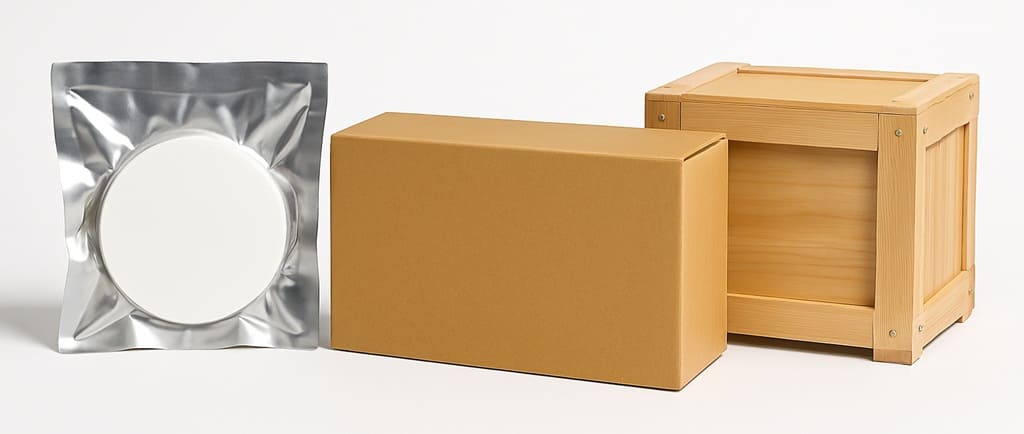
Magnesium Oxide Ceramic products are typically packaged in vacuum-sealed bags to prevent moisture or contamination and wrapped with foam to cushion vibrations and impacts during transport, ensuring the quality of the products in their original condition.
Download
Get A Quote
We will check and get back to you in 24 hours.